Environment Artist Portfolio
Vice City Remaster - Tommy’s Apartment
Tommy Vercetti’s Luxury Suite is a 3-week environment art challenge I undertook to celebrate the announcement of GTA 6. Reimagining the iconic Vice City location as a luxury penthouse for high-roller criminal Tommy Vercetti, I focused on building his character and personality through environmental details scattered throughout the apartment.
This project utilized optimization and smart texturing workflows; all assets use only three 2k trim sheets for furniture, fixtures and cabinets. This allowed me to create a high-detail 1985 aesthetic that runs at 200 FPS in engine The Environment is complete with custom parody assets following the GTA humor alongside a fully animated fish tank. I am very proud of this project, especially given the short timeframe I had to research, conceptualize, and build the apartment from scratch and I believe this remaster could fit right into the GTA universe.


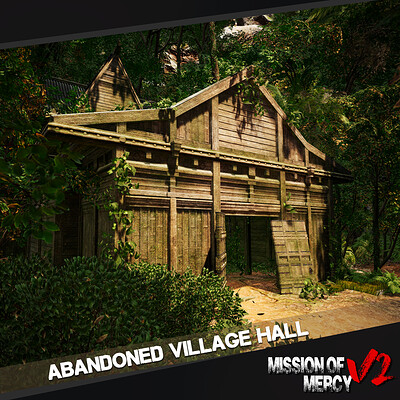
Mission of Mercy V2
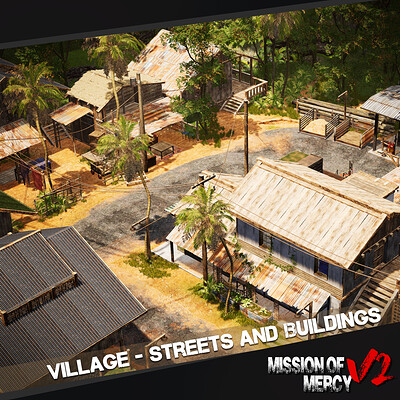
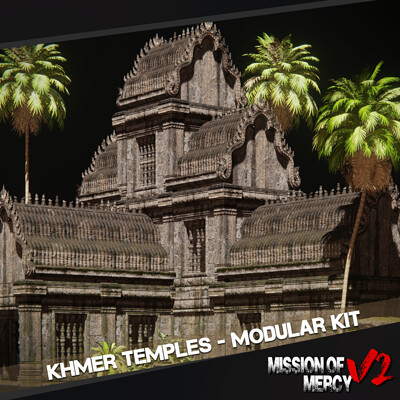
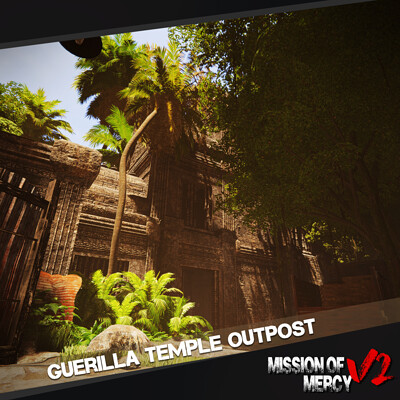
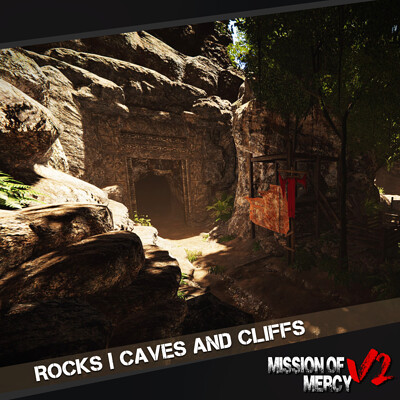
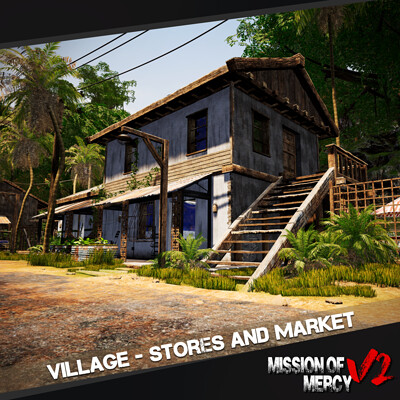
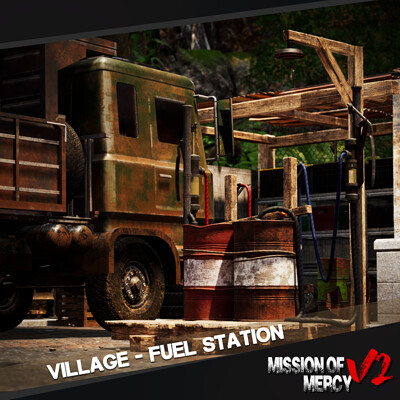
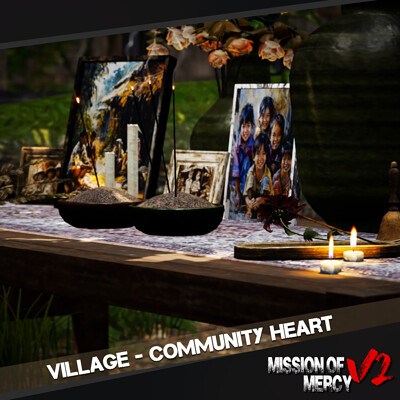
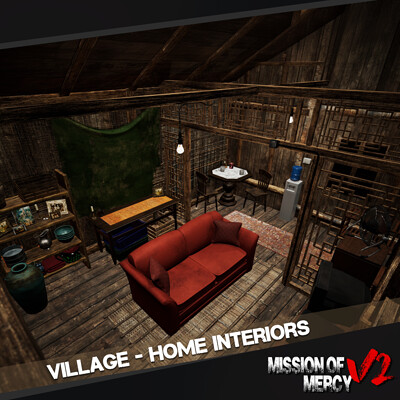
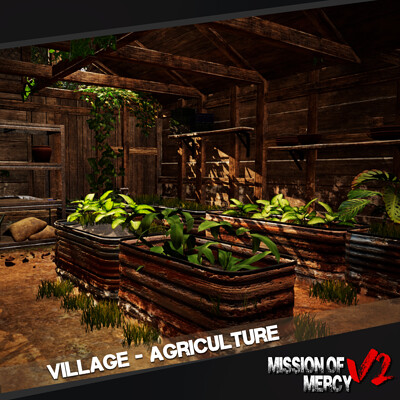
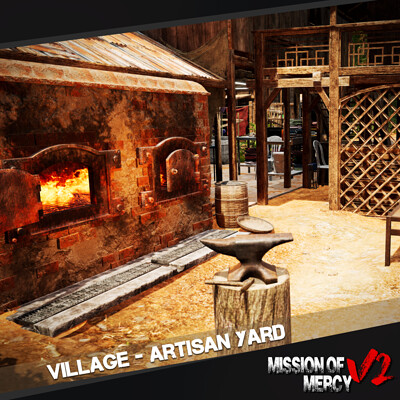
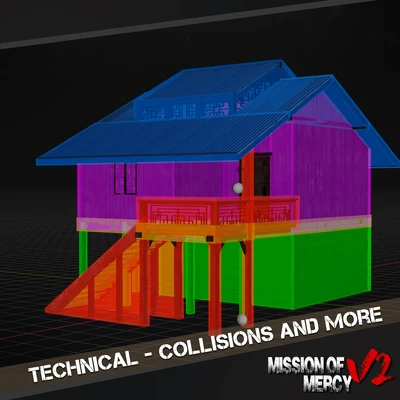
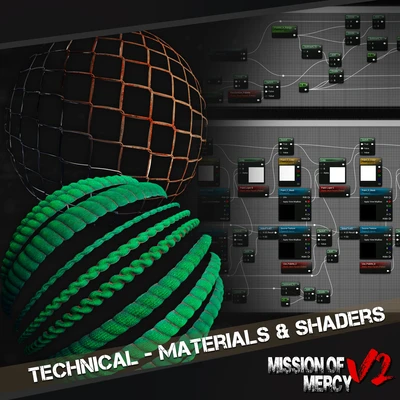
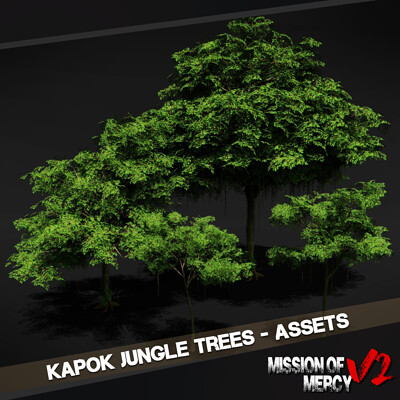
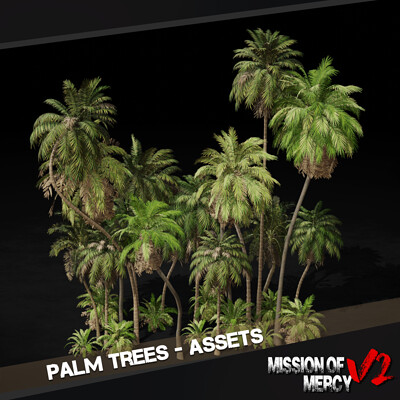
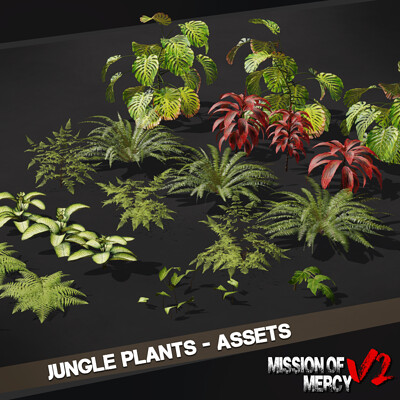
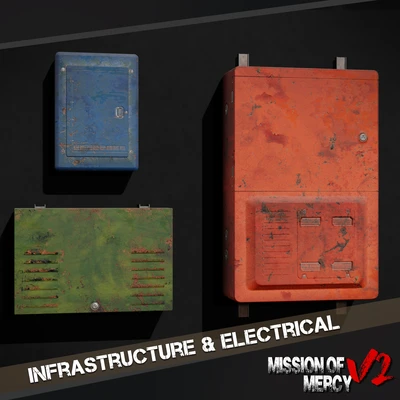
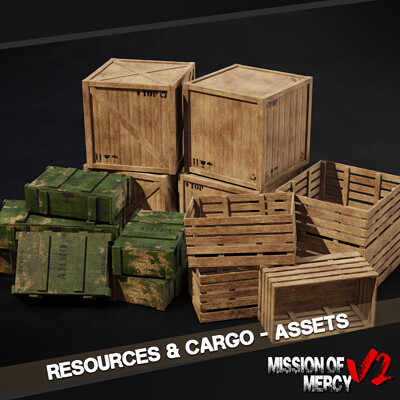
Mission of Mercy V2 is a complete environmental remake of my first client project while I was a student studying game design. The original game was an educational game set in rural Cambodia that took the educational elements and fused it with the fun mechanics or a story driven stealth game. Seeking to bridge the gap between student work and professional standards, I rebuilt the project's environments from scratch, no kitbashing or outsourcing. This project showcases my ability to execute industry-standard pipelines for modeling, texturing, and level design and serves as the foundation for my upcoming asset store World Forge.

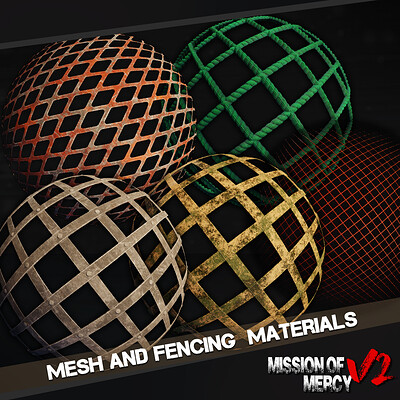
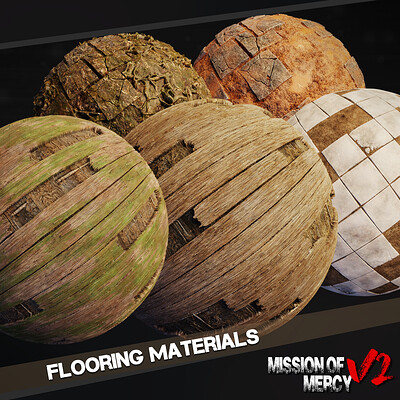
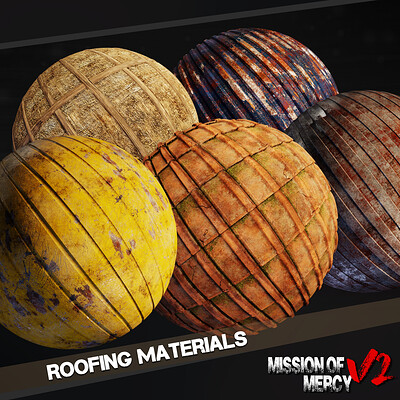
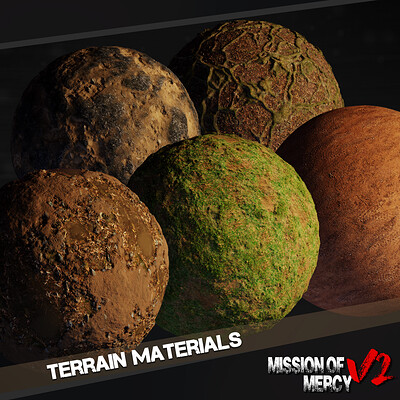


Texturing and Materials
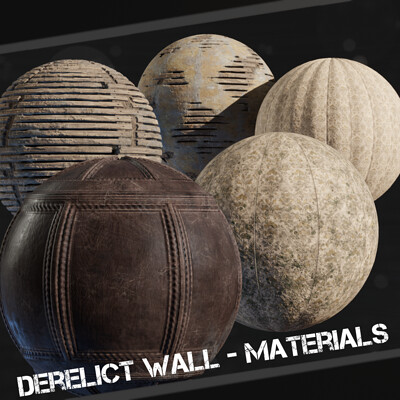
Texturing is one of the most important steps in telling the story of the world you're building, and it is the part of the pipeline I enjoy the most when creating environments. I love focusing on adding details like weathering, grime, and material aging, as well as unique story-driven details that tell the history of the asset from a glance that grows in detail as your eyes linger. Whether I am creating tileable surfaces or unique hero assets, I make sure to create materials that support the narrative while not only looking good under various lighting conditions but also do not hinder the performance of the project.
My focus on storytelling and optimized techniques is ever-expanding. My recent playthrough of The Last of Us led me to reverse-engineer the surfacing techniques used by Naughty Dog on the remaster. The breakdown below shows how I recreated their method of utilizing RGB vertex color channels as masks for texture variations (such as grime, mold, or scratches) in order to break up tiling textures and create non-repetitive surfaces. And you can check out my other posts to see how I use these and other techniques to push visuals further.